This article presents short motivational quotes from experts to help the sales team achieve targets. Additionally, this feature article offers a sales team motivation message and a brief motivational speech. Therefore, this content helps a team leader to know how to motivate a sales team when sales are down. It provides a motivational message for the sales team; therefore, the service and product-selling organization may benefit from this article.
Motivational Quotes from the Author
Sell a similar quality product at a low cost or the same price with high quality.
Motivational Speech for the Sales Team
If you are a team leader and want to motivate your team to increase sales, read the following speech and deliver it. As a speaker, you have to convey information through verbal and nonverbal cues. Additionally, you can follow the Aristotle model of communication to persuade your team member. It is one of the best communication model that show how to motivate the audience while delivering a speech. This model illustrates how to use ethos, pathos, and logos to persuade customers. You must include ethos (credibility), pathos (emotion), and logos (logic) in your speech to motivate members.
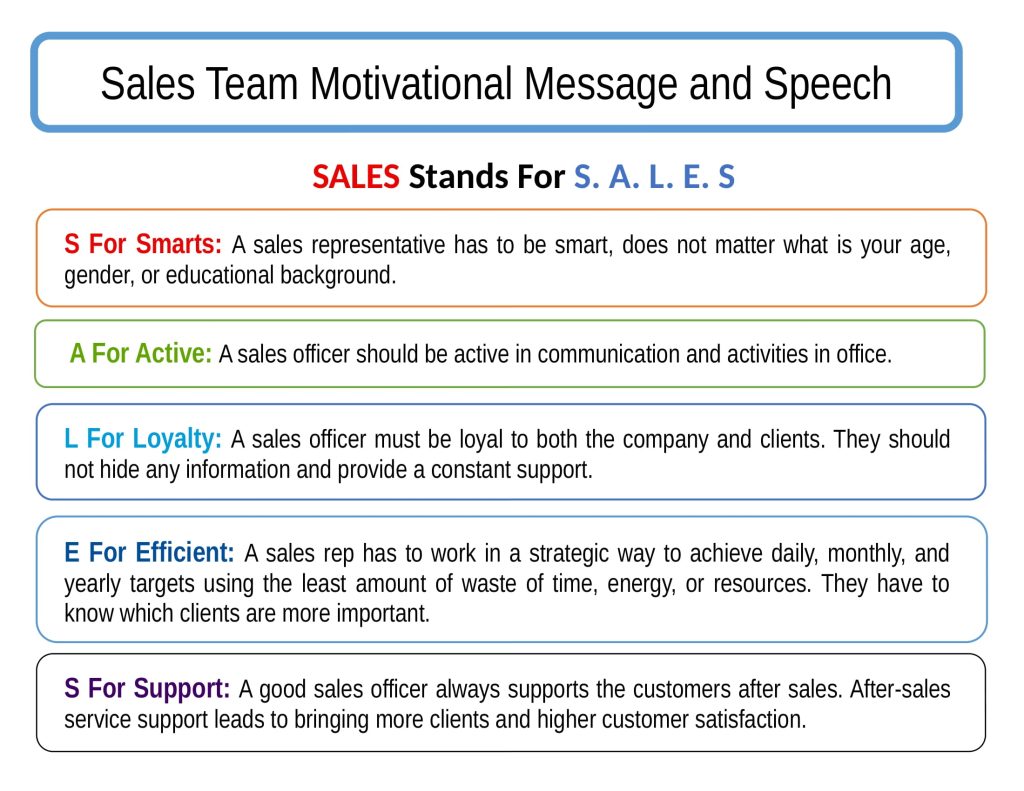
1. SALES stands for S. A. L. E. S
S for Smarts: A sales representative has to be smart, regardless of age, gender, or educational background.
A for Active: A sales officer should be active in communication and activities.
L for Loyalty: A sales officer must be loyal to both the company and clients. They should not hide any information.
E for Efficiency: A sales rep must work strategically to achieve daily, monthly, and yearly targets with minimal waste of time, energy, or resources. They have to know which clients are more important.
S for Support: A good sales officer always supports customers after the sale. After-sales service support leads to bringing more clients and higher customer satisfaction.
2. Follow Rules: 3HHH
The 3HHH refers to Hand, Heart, and Head. A successful sales officer works with Hand, Heart, and Head. The best output comes from those who use their hands, heads, and hearts to convince their clients. There are two types of people, thinkers and feelers. The thinker uses the brain (Logic) and the feeler uses the heart (emotion) to analyze objects and situations. A sales representative or agent must use Hand, Heart, and Head to convince clients and leave a lasting impression by doing something notable.
3. 80 Percent of Sales Require at Least Five Follow-ups
According to scholars, 80% of sales are completed after five follow-ups by a sales representative.
First-time follow-up: The client may forget your product and services.
Second Time Follow-up: They will remember you
Third Time Follow-up: Customers will consider your offers.
Fourth Time Follow-up: Clients will be convinced of your product and service.
Fifth Time Follow-up: The sales representative closes the deal.
The essence of this rule is to persevere. Keep trying and put your full effort into closing the deal.
4. Work like a Physician
Sales employees should work like a physician. A physician listens to the patient’s report, conducts a physical exam, notes any difficulties, and documents the findings. After that, they offer a solution, either medication or a medical test, based on the patient’s condition.
As a sales officer, you must listen carefully to customers’ queries and offer relevant products and services. Remember, you will lose the customer if you initially offer products or services that are irrelevant to their needs. A sales representative must study the demographics and psychographics of their target audience. Your offers and products should be congruent with the customer’s needs.
5. Stop Selling – Start Solving Problems
We have to remember that nobody wants to pay to buy something, but everyone likes to pay to resolve their problems. As a sales representative, you must identify and deliver the best solution for your clients. For example, someone wants to buy a phone for creating video content. In this context, you have to offer the smartphone with the highest camera resolution. Therefore, do not try to sell your product; instead, focus on resolving customer problems.
6. Brian Tracy’s 7 Steps to Sales Success
Prospecting: As a sales office, you need to identify potential clients who need your products and services.
Building rapport: Establish a strong relationship with potential customers by discussing their challenges and goals.
Presenting: You must explain, with evidence, how your product or service can solve their problems. You have to convince them to buy your products or services.
Handling Objections: As a sales representative, you must be an active listener to understand their concerns. Remember, they may ask for more details on the products’ pros and cons. Therefore, you must validate their fears by providing tailored solutions.
Closing the deal: Request that they take the final decision and purchase the products and services.
Getting resales and referrals: You must provide after-sales support to ensure customer satisfaction, which leads to repeat business and referrals to new customers.
7. Make Your Prospects Key Accounts
Prospects- Buyers-Customers-Key Accounts
Prospects who buy from you are called buyers. They test your products or services. They will buy again if you can provide the best service and products.
When buyers buy from you again, they are customers. Customers know about your goodwill; hence, keep connected and build rapport.
When customers buy from you repeatedly, they are key accounts. Recurring clients are key accounts; therefore, aim to turn prospects into key accounts.
Motivational Quotes for the Sales Team
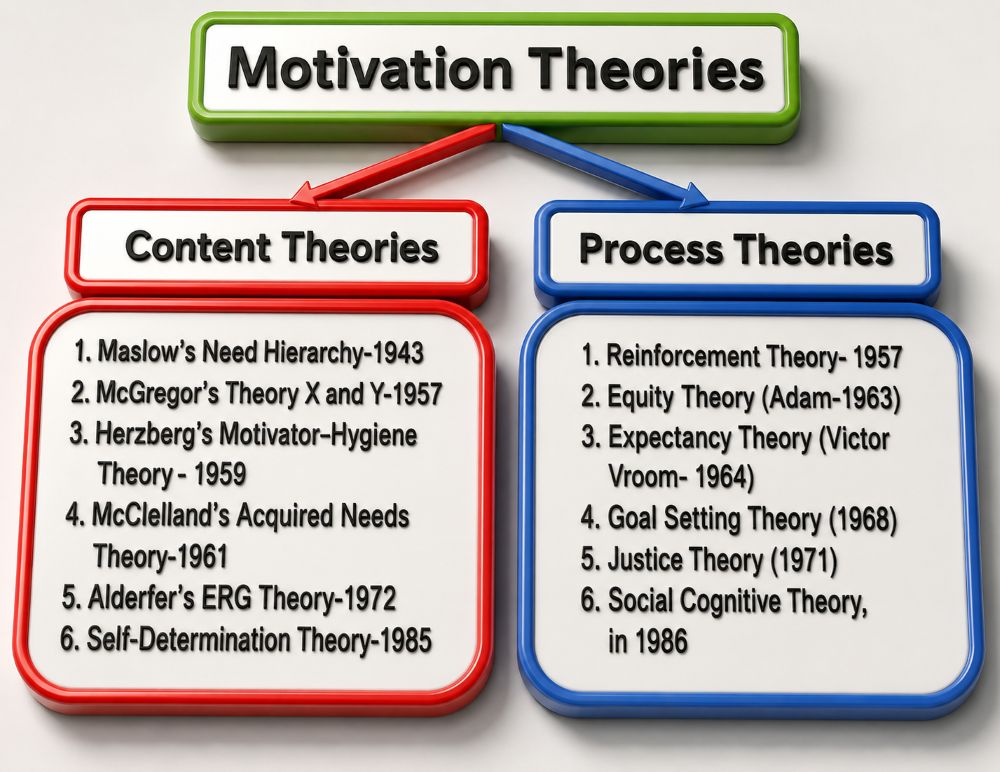
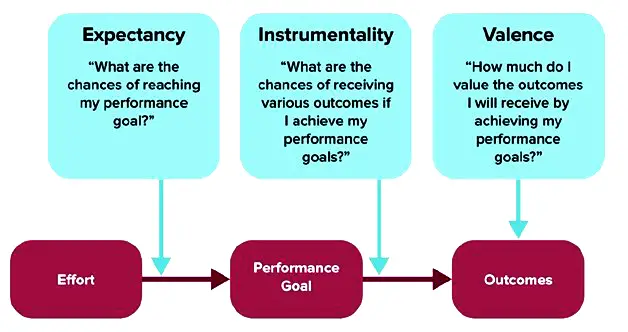
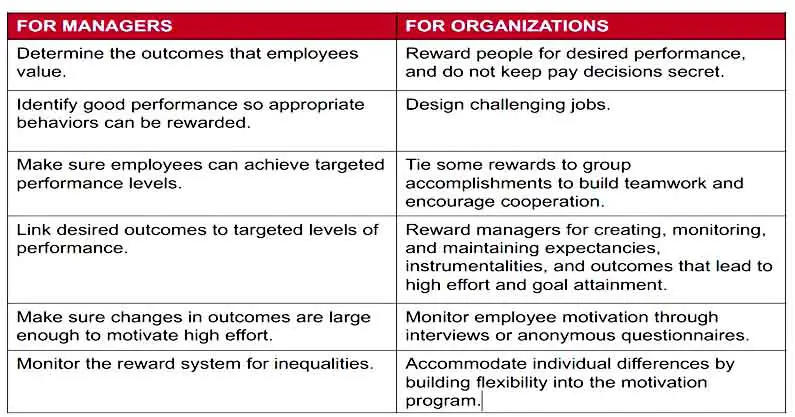
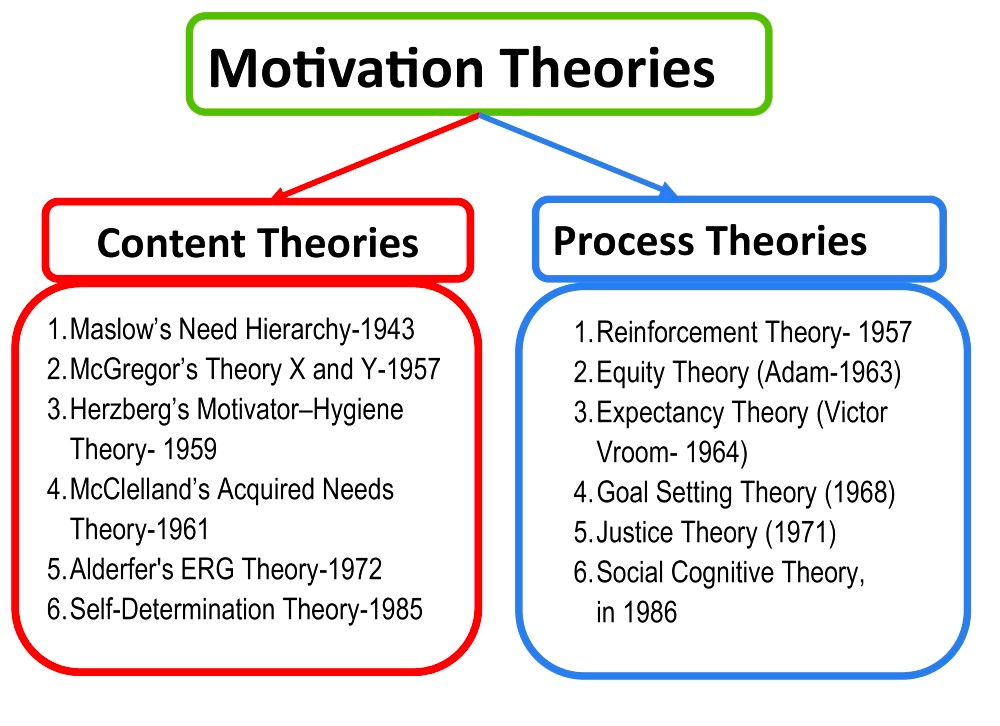
We believe that motivation enhances the workforce and productivity. Scholars research and publish diverse content and process theories of motivation that explain what factors and how to motivate employees. Motivation is one of the key elements in improving employee outcomes. Therefore, the author collects motivational quotes from experts to inspire the sales team. The following motivational quotes from experts are for the sales team to motivate them in the workplace:
If you are not taking care of your customers, they are buying products or services from your competitors- Bob Hooey.

Every day is always the most constructive day of your week. –Mark Hunter.
“Great sales officers focus on relationship building and provide value, and help their customers win.” – Jeffrey Gitomer.
“Sales are contingent upon the attitude of the salesman, not the attitude of the prospect.”- Clement Stone.
“If you don’t give up, you still have a chance.”- Jack Ma (Chinese businessman and philanthropist).

Leadership starts with self-discipline. You can not lead others if you are not leading yourself- Sassy Souls.
Customers First, Employees second, and Shareholders Third.- Jack Ma.
“When selling to close friends and family, no matter how much you’re selling to them, they will always feel you’re earning their money; no matter how cheap you sell to them, they still wouldn’t appreciate it.”- Jack Ma.
As a salesman, the best investment you can make in yourself is studying more about the products and services. – Jack Ma.
“You can get everything in life you want if you will just help enough other people get what they want”- Zig Ziglar.
Whatever happens, never lose your heart. Whoever says to himself, I will succeed,’ will reach his goal. But if you think it is impossible, I don’t have all my faculties, I will never manage, then you will fail- Dalai Lama.
Short Motivational Quotes for the Sales Team
A person buys from someone he likes — Zig Ziglar.

Sales isn’t about luck — it’s about stamina.
Sales isn’t always a solo game — it’s a team sport.
The more u know about the product and service, the better you can sell them.
If you want to sell your products, you have many options.
A sales officer can easily sell unsweetened honey with honeyed words.
50 Short Motivational Quotes for the Sales Team
“Sales are contingent upon the attitude of the salesman — not the attitude of the prospect.” — W. Clement Stone.
“Stop selling. Start helping.” — Zig Ziglar.
“Make a customer, not a sale.” — Katherine Barchetti.
“Your life can only change when you become more committed to your dreams than to your comfort zone.” — Billy Cox.
“Success is the sum of small efforts repeated day in and day out.” — Robert Collier.
“Motivation is what gets you started. Habit is what keeps you going.” — Jim Rohn.
“It’s not about having the right opportunities. It’s about handling the opportunities right.” — Mark Hunter.
“Success is not in what you have, but who you are.” — Bo Bennett.
“Don’t let what you cannot do interfere with what you can do.” — John Wooden.
“Don’t be afraid to give up the good to go for the great.” — John D. Rockefeller.
“Tough times never last, but tough people do.” — Robert H. Schuller.
“Winners never quit, and quitters never win.” — Vince Lombardi.
“You miss 100% of the shots you don’t take.” — Wayne Gretzky.

“Fall seven times, stand up eight.” — Japanese Proverb.
“Failure will never overtake me if my determination to succeed is strong enough.” — Og Mandino.
“Energy and persistence conquer all things.” — Benjamin Franklin.
“The harder the conflict, the greater the triumph.” — George Washington.

“If you’re going through hell, keep going.” — Winston Churchill.
“I never lose. I either win or learn.” — Nelson Mandela.
“Don’t watch the clock; do what it does. Keep going.” — Sam Levenson.
“People don’t buy what you do; they buy why you do it.” — Simon Sinek.

“The purpose of business is to create and keep a customer.” — Peter Drucker.
“Customer service shouldn’t just be a department, it should be the entire company.” — Tony Hsieh.
“In sales, your job is not to convince, but to connect.” — Jeffrey Gitomer.
“Trust is built with consistency.” — Lincoln Chafee.
“Customers may forget what you said, but they’ll never forget how you made them feel.” — Maya Angelou.
“Serve, don’t sell — and sales will follow.” — Simon Sinek.
“The best way to find yourself is to lose yourself in the service of others.” — Mahatma Gandhi.
“Customer satisfaction is worthless. Customer loyalty is priceless.” — Jeffrey Gitomer.
“The best salespeople know that their job isn’t to close, but to open relationships.” — Jack Daly.
“The secret of getting ahead is getting started.” — Mark Twain.
“Action is the foundational key to all success.” — Pablo Picasso.
“Do not wait to strike till the iron is hot, but make it hot by striking.” — William Butler Yeats.
“If you’re not taking care of your customer, your competitor will.” — Bob Hooey.
“If you can dream it, you can do it.” — Walt Disney.
“Opportunities don’t happen, you create them.” — Chris Grosser.
“Success usually comes to those who are too busy to be looking for it.” — Henry David Thoreau.
“Don’t limit yourself. Many people limit themselves to what they think they can do.” — Mary Kay Ash.
“Growth and comfort do not coexist.” — Ginni Rometty.
“Success is walking from failure to failure with no loss of enthusiasm.” — Winston Churchill.
“Confidence and enthusiasm are the greatest sales producers in any economy.” — O.B. Smith.
“Everything you’ve ever wanted is on the other side of fear.” — George Addair.
“A goal properly set is halfway reached.” — Zig Ziglar.
“The way to get started is to quit talking and begin doing.” — Walt Disney.
“Success is liking yourself, liking what you do, and liking how you do it.” — Maya Angelou.
“Either you run the day, or the day runs you.” — Jim Rohn.
“Dream big. Start small. Act now.” — Robin Sharma.
“What lies behind us and what lies before us are tiny matters compared to what lies within us.” — Ralph Waldo Emerson.
“You don’t close a sale, you open a relationship if you want to build a long-term, successful enterprise.” — Patricia Fripp.
“Perfection is not attainable, but if we chase perfection, we can catch excellence.” — Vince Lombardi.
Motivational Quotes for the Sales Team to Achieve Targets
“Today is difficult, Tomorrow will be more difficult, but the day after tomorrow will be sunshine.” The most important thing is not to give.- Jack Ma.
You never know how much you can do in your life until you try- Jack Ma.
Do not lose patience when sales are down, and don’t be reckless in good times.
If you want to sell your products, you have to sell yourself. It means you have to make them like you and be convinced of you.
Sales offices should acknowledge ‘NO’ as the next opportunity, not a rejection.
The best skills for a sales officer are growth and a positive mindset.
We are not new. Our products are not new either. But remember, ultimately, we will be the best.
Salespeople can set and increase their own salaries, while the HRM and marketing teams receive fixed pay.
A good sales officer must be patient to reach 100 customers and confirm 2 of them.
Sales officers should remember that they must persuade clients to purchase products and services. Clients are unwilling to buy them. In this context, prepare yourself and stay passionate.
A good officer does not complain about a rising salary; instead, they create value within the organization, prompting the company to retain them by offering a higher salary.
Sales is not about selling; it is a strategy for influencing your clients to buy products.
The best sales teams I’ve seen weren’t driven by money — they were driven by purpose.
Success in sales requires confidence and motivation. Set your goals, believe in your strengths, and never give up. Every effort takes you closer to success.
Jack Ma on Sales: ‘When doing sales, the first people who will trust you will be Strangers, Friends will be shielding against you, fair-weather friends will distance themselves from you. Family will look down upon you.’
The day you finally succeed, paying the bill for every get-together dinner, entertainment, you will realize: Everyone else is present except the Strangers.
The main power of a sales officer lies in relationships.
Before starting to sell, focus on generating customer needs.
Books can change your life, and training is more valuable than reading 10 books.
Do not believe in luck, but believe in your hard work.
Motivational Quotes for Businessmen
“Business is not about ideas. It’s about making ideas happen.” – Scott Belsky.
All entrepreneurs are businessmen, but not all businessmen are entrepreneurs.
A common mission, set of values, and set of goals are mandatory in any organization. Without these three things, you cannot succeed.- Jack Ma
Success doesn’t come to you; you go to it-Jack Ma.
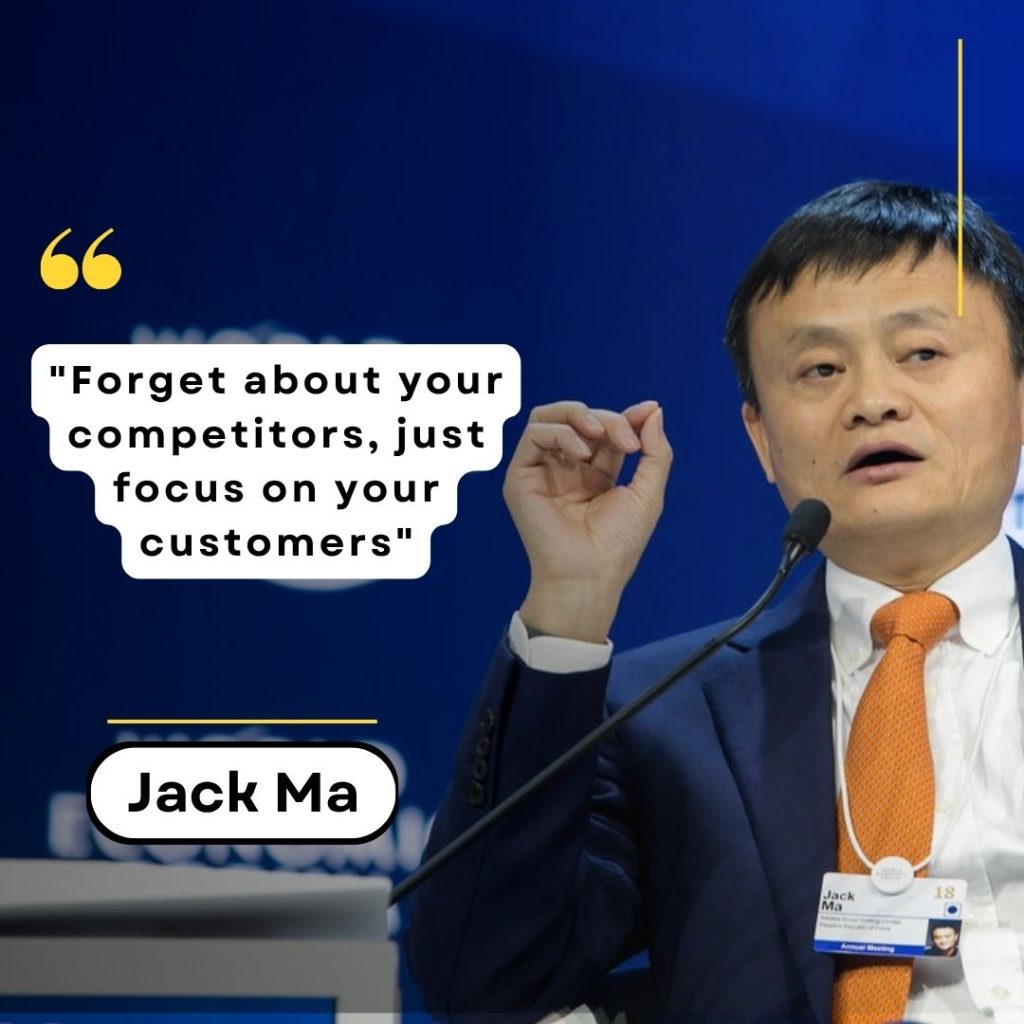
“Forget about your competitors, just focus on your customers”.- Jack Ma.
Generally, I tell people in business that there is nothing wrong with having a competitive spirit if it means saying to yourself: “I want to give the best of myself; I want to reach the top like others.” (Dalai Lama Quotes from Daily Advice from the Heart)
The only acceptable aggressive attitude is to recognize one’s own talent and work with unshakeable determination, saying to oneself, ‘I, too, am capable, and even if nobody helps me, I will succeed.’-(Dalai Lama Quotes from Daily Advice from the Heart)
We should recognize that our competitors are also human beings with the same rights and needs as we do. We should think of them, too, as members of our society. It is all the better if they are also successful.-(Dalai Lama Quotes No-155 Book 365 Dalai Lama Daily Advice from the Heart).
The CEO focuses on company revenue, the manager focuses on employee productivity, and employees focus on the easier way to work in the organization.
How To Motivate the Sales Leaders
Many believe the best way to motivate a sales team is simple — offer bigger bonuses. But real drive doesn’t come from money alone. It comes from purpose, recognition, and belonging. I’ve seen people exceed every target not because of the commission, but because they believed in what they were selling, respected the team they worked with, and took pride in proving their potential.
Make More Leaders To Get Promotion
The best way to motivate a sales leader is to set a requirement that they will be promoted when they develop other leaders like them. Leaders must encourage employees to emulate them. The leaders will definitely create more leaders if the HR department sets this requirement.
Competition and Rewards System
Leaders should organize a competition among sales officers and reward those who meet the target.
As a leader, you do not need to be an expert to regulate a skilled team. You have to utilize their potential to get the best outcome.
5 Top Qualities of a Great Salesperson
In sales, success isn’t just about numbers — it’s about connection, curiosity, and consistency. The best salespeople share a few timeless traits that set them apart:
Empathetic — They truly understand customer needs and aim to solve problems, not just close deals.
Passionate — Their energy and belief in the product inspire trust and excitement.
Good Listener — They listen more than they speak, building loyalty and credibility.
Optimistic — They see rejection as redirection and focus on possibilities, not problems.
Inquisitive — They ask the right questions to uncover real value for their customers.
Whether you’re just starting in sales or a seasoned pro, these five qualities are worth mastering.
How to find the best sales officers in the team:
- They like to talk with others. They are good at communication.
- They are committed to lifelong learning.
- They are efficient and use their time well.
- They like to follow their leaders.
- They are self-motivated and aim to stand out within the team.
- Leaders must create more leaders, or they are not leaders.

M M Kobiruzzaman is a communications researcher and the founding editor of Newsmoor. He specializes in journalism research frameworks, communication models, cultural events, and business and academic writing standards. With a background in communication and regional information systems, he bridges the gap between technical theory and everyday communication, providing authoritative resources for students and professionals worldwide.